
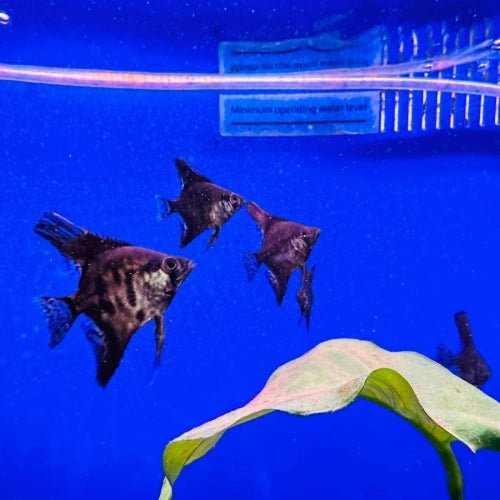


The Black Angelfish (Pterophyllum scalare) is a captivating freshwater species renowned for its velvety black coloration and graceful, elongated fins. Originating from the Amazon Basin in South America, these angelfish have become a staple in the aquarium hobby due to their striking appearance and engaging behavior. Their tall, laterally compressed bodies and flowing fins make them a centerpiece in any aquarium setting.
Scientific Name: Pterophyllum scalare
Common Name: Black Angelfish
Size: Up to 15 cm (6 inches) in length; height can reach 20 cm (8 inches) due to extended fins
Lifespan: 8–12 years with proper care
Temperament: Generally peaceful but can be territorial, especially during breeding
Diet: Omnivorous; thrives on a varied diet including high-quality flakes, pellets, and occasional live or frozen foods like brine shrimp and bloodworms
Water Parameters:
Temperature: 24–28°C (75–82°F)
pH Level: 6.0–7.5
Hardness: 3–10 dGH
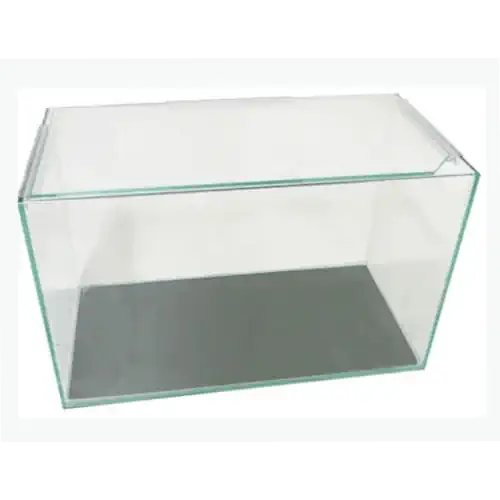
Minimum Tank Size: 114 liters (30 gallons); taller tanks are preferred to accommodate their body shape.
Elegant Appearance: Their deep black hue and flowing fins add a touch of sophistication to any aquarium.
Interactive Behavior: Known for their curious nature, they often recognize and interact with their caregivers.
Versatile Compatibility: Can coexist with a variety of similarly sized, peaceful fish species.
Hardy Species: Adaptable to a range of water conditions, making them suitable for both novice and experienced aquarists.
Aquascape: Incorporate vertical structures like driftwood and tall plants to mimic their natural habitat and provide shelter.
Filtration: Efficient filtration system to maintain water quality; gentle water flow is preferred.
Lighting: Moderate lighting to enhance their coloration without causing stress.
Substrate: Fine to medium-grade, smooth gravel or sand to accommodate their foraging behavior.
Tank Cover: A secure lid is recommended, as they can be occasional jumpers.
Black Angelfish can coexist with other peaceful, similarly sized fish. Suitable companions include:
Corydoras Catfish
Avoid housing with fin-nipping species like Tiger Barbs or very small fish that may be seen as prey.
Staple Diet: High-quality angelfish-specific flakes or pellets.
Supplementary Foods: Live or frozen foods such as brine shrimp, bloodworms, and daphnia to enhance coloration and vitality.
Vegetables: Blanched spinach, zucchini, and peas can be offered as occasional treats.
Feeding Frequency: Feed 2–3 times daily in small amounts to prevent overfeeding and maintain water quality.
Can Black Angelfish live in a community tank?
Yes, they can coexist with other peaceful, similarly sized fish.
Do they require a heater?
Maintaining a stable temperature between 24–28°C (75–82°F) is essential; a heater is recommended to achieve this.
Are they suitable for beginners?
Absolutely! Their hardy nature and adaptability make them ideal for novice aquarists.
How can I enhance their coloration?
A varied diet rich in high-quality foods, maintaining pristine water conditions, and providing a stress-free environment can help accentuate their vibrant colors.
